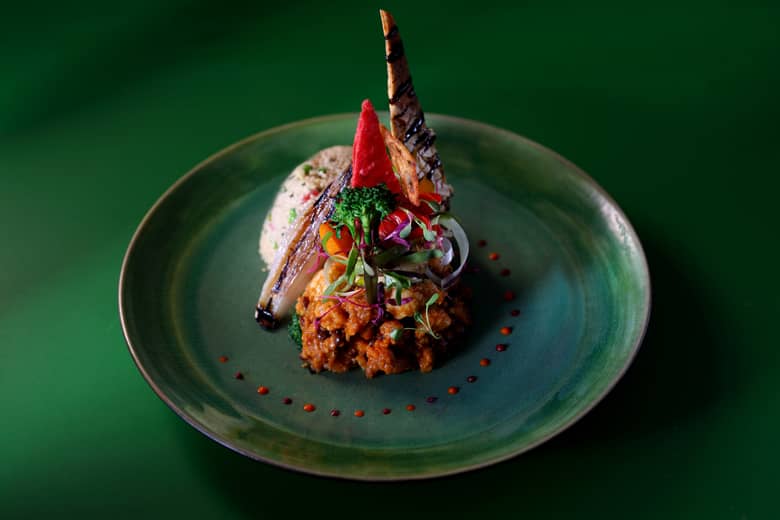
What Do Vegans Eat?
It’s a lot easier to tell you what they don’t eat as vegans eat everything except for all and any animal products (meat, fish, eggs, shellfish etc) and animal by-products (milk, cheese, honey, gelatine etc). You should also watch out for hidden additives like Cochineal (AKA red food colouring) which is made from little red bugs! You can find the list of food additives on Vegan Easy.
The easiest way to be sure if you can’t ask somebody is to assume that if you can trace the product back to an animal, it’s probably not vegan-friendly. If it comes out of a packet check the ingredients and additives – keep an eye out for those handy ‘approved vegan’ badges.
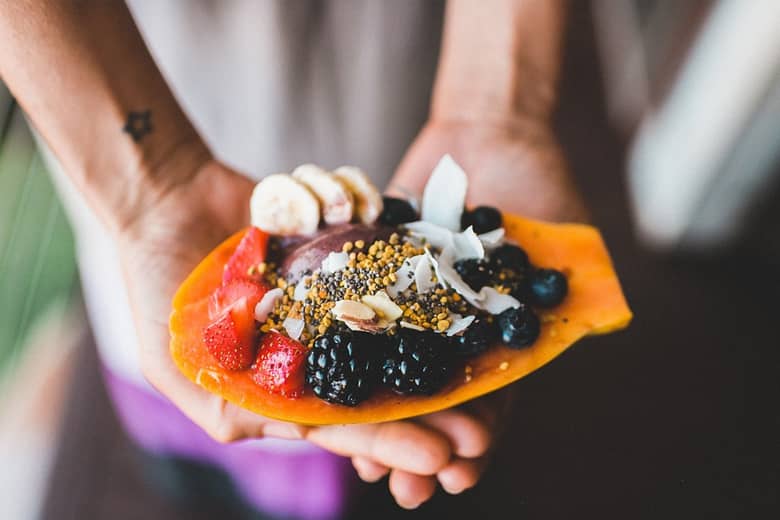

Reasons for Going Vegan
There can be a whole host of reasons why someone makes the decision to change to a vegan diet. Here are some of the most common ones…
- Health Benefits – most of the foods in the diet are wholefoods and therefore high in fibre, vitamins, and minerals and low in saturated fat.
- Animal Lover – some prefer not to eat animals because they genuinely have deep respect and love for them and just can’t imagine eating them.
- Ethics – lots of vegans do not condone or agree with the practices and alleged cruelty involved in the production of meat.
- Environmental – many people decide to go vegan after learning about the impact the meat production industry can have on the environment (CO2, waste, pollution etc).
Important Considerations
Bearing in mind that most of the everyday menu choices available nowadays contain some form of animal product, even the vegetarian options usually contain cheese, egg, milk. or butter, it can be quite challenging for a vegan to get the variety they would like when eating out or attending catered events and functions. It seems far from fair that they should get stuck with a carrot stick while they watch their friend tuck into a rather posh looking canapé and made even worse if they have paid the same price to attend an event.
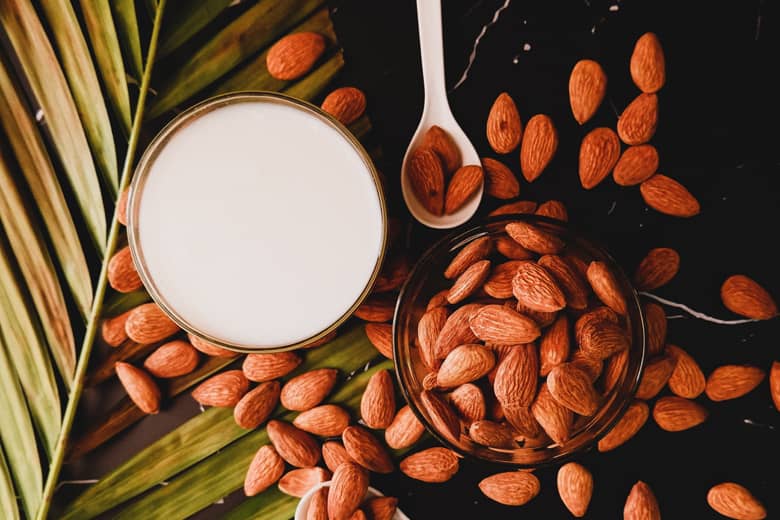
We think it’s important to provide innovative menus and ideas that bridge the gap and offer diversity no matter your dietary choice. It’s simply about getting creative and switching up some ingredients. For example, a classic Panna cotta can easily be veganised
by switching the cream for almond milk and the gelatine for a vegan-friendly setting agent such as agar agar.
Whilst the right ingredients are essential, another important consideration is ensuring the food preparation and cooking process is also vegan-friendly. For example, don’t cook vegetables and meats in the same pan and use vegetable oils instead of butter for cooking.
So next time you collate your dietary requirements for your event, consider how exciting and appealing the menu options are for your vegan guests and indeed any of your guests with dietary restrictions.